
ALZHEIMER'S DISEASE: MUCH MORE THAN OLD PEOPLES DISEASES
Last updated:
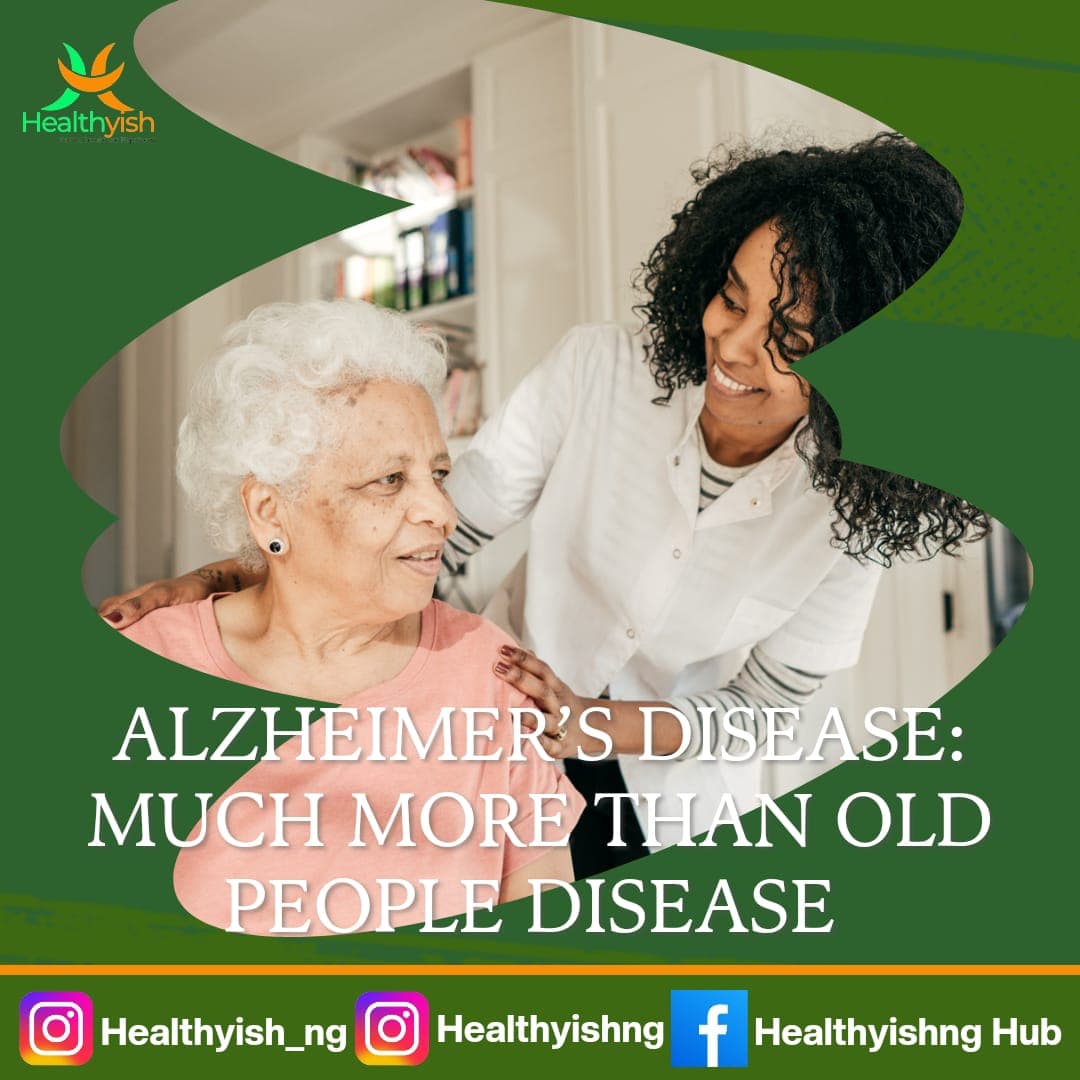
While Alzheimer's disease remains a challenging condition, lifestyle and dietary modifications offer a ray of hope in the prevention and management of cognitive decline.
'Mama, you asked me to help you bring this water, remember?' Suleiman dropped the glass of water on the table in front of his mother.
'Which water? I didn't ask you to bring any water. I'm not thirsty. Take this water away from me now!' She screamed.
Suleiman looked bewildered and confused. His mother had just requested for a glass of water few minutes ago. He did not understand the sudden change in her request.
'But mama...'
'Take it away' She cut him off and faced the other side of the room.
Suleiman took the water and left the room cautiously. He went to his room and called his elder brother on phone.
'I don't understand mama anymore. It seems she's forgetting little things and recently, her speech is getting slurred. I don't know what to do again' he said with tears in his eyes as he recounted the latest episode, he had with her that morning.
'I will be there tomorrow morning and we will take mama to the hospital. Don't be scared, okay?' His brother said from the other end of the phone.
'Alright bros. Thank you'.
'Sirs, your mother is suffering from Alzheimer's disease. It is a disease that it likely to happen as we age and recents research categorizes Alzheimer as diabetics 3 .
'What is the prognosis of the disease?'
'Well, it a disease known to be malignant.However, with appropriate lifestyle and dietary modifications, the symptoms can be subsided,and she will be able to live a normal life. People also tend to work with health coaches I could recommend one to help you through the process. Here's her business card.' The doctor stretched the business card towards him.
'Alright. Thanks doc.' He said as he collected the business card.
Alzheimer's disease is a progressive neurodegenerative disorder that affects millions of people worldwide, leading to cognitive decline and memory loss. While there is currently no cure for Alzheimer's, research has shown that lifestyle and dietary modifications can play a significant role in supporting brain health and potentially reducing the risk of cognitive decline. In this article, we will explore the key lifestyle and dietary changes that may help in the prevention and management of Alzheimer's disease.
1. Engage in Regular Physical Activity: Regular exercise has been associated with numerous health benefits, including enhanced brain function. Engaging in physical activity, such as brisk walking, swimming, or cycling, promotes blood flow to the brain, reduces inflammation. Aim for at least 150 minutes of moderate-intensity exercise per week.
2. Mental Stimulation: Keeping the brain active and engaged is crucial for maintaining cognitive function. Activities like reading, solving puzzles, playing musical instruments, or learning new skills stimulate neural connections and may help delay cognitive decline. Social interactions are also essential as they offer mental stimulation and emotional support.
3. Eat Healthy Diet: Adopting a brain-healthy diet can be beneficial in protecting against Alzheimer's disease. A Mediterranean-style diet, rich in fruits, vegetables, whole grains, lean proteins, and healthy fats (like olive oil and nuts), has been linked to a reduced risk of cognitive decline. Additionally, incorporating foods with antioxidants and omega-3 fatty acids, such as blueberries, walnuts, and fatty fish, may support brain health.
4. Manage the Health of your heart: Cardiovascular health is closely connected to brain health. Conditions like high blood pressure, high cholesterol, and diabetes can increase the risk of Alzheimer's disease. Adopting a heart-healthy lifestyle, including a balanced diet, regular exercise, and managing stress, can reduce the risk of both cardiovascular and neurodegenerative diseases.
5. Take Quality Sleep: Proper sleep is essential for memory consolidation and overall brain function. Aim for 7-9 hours of uninterrupted sleep per night. Establishing a consistent sleep schedule, creating a calming bedtime routine, and limiting caffeine and electronic device use before bedtime can improve sleep quality.
6. Engage in Stress Reduction Technique: Chronic stress and anxiety can negatively impact brain health and increase the risk of cognitive decline. Engage in stress-reducing activities like meditation, yoga, deep breathing exercises, or spending time in nature. Seek social support and maintain a positive outlook on life to reduce stress levels.
7.Limit Alcohol and Avoid Smoking: Excessive alcohol consumption can impair cognitive function, while smoking has been linked to an increased risk of Alzheimer's disease. Limit alcohol intake and, if possible, quit smoking to protect your brain and overall health.
While Alzheimer's disease remains a challenging condition, lifestyle and dietary modifications offer a ray of hope in the prevention and management of cognitive decline. Incorporating regular physical activity, mental stimulation, a brain-healthy diet, and stress reduction techniques can help nurture brain health and improve overall well-being. It's essential to consult with healthcare professionals to develop a personalized approach to reduce the risk of Alzheimer's disease and maintain a vibrant mind throughout life.
NB:We are bio individuals which is to say not all size fits all.prioritizing yourself and your journey with the support and guidance of a health coach will further help in your progress and such a person would be able to get detailed information about themselves that could facilitate results.
Want support tailored to your health goals?
Request a Healthyish consultation to discuss practical, personalized guidance.
Request a consultation